Piano Practice Without the Nagging: 3 Secrets for Happy Parents
Is piano practice becoming the loudest argument in your house? You aren't alone. For many families, the transition from "excited to start lessons" to "dreading the daily practice" happens faster than a Mozart allegro.
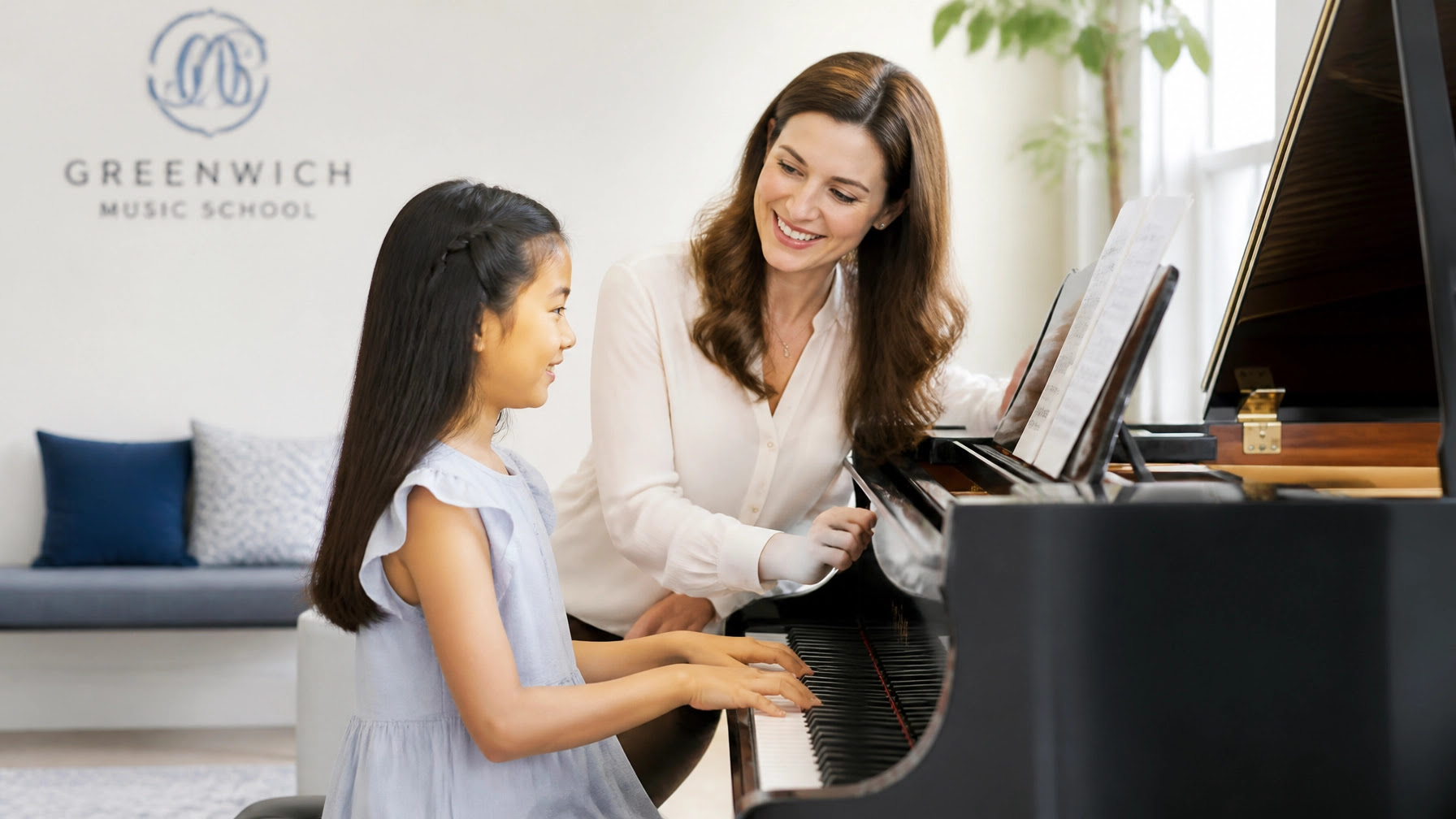
At Natalia Huang Piano Studio, we believe music should be a source of joy, not a chore on a checklist. Whether your child is visiting one of our physical studio locations in Greenwich, CT, Yorba Linda, Hacienda Heights, or Walnut, or receiving in-home lessons in NYC, the goal is the same: creating a sustainable, stress-free relationship with the instrument.
Stop being the "practice police." Use these three secrets to turn practice time into the best part of your child's day.
Is your practice schedule a daily negotiation?
The biggest mistake most parents make is treating piano practice like a variable event. If you ask, "Do you want to practice now?" you are giving your child an opening to say "no." When practice depends on a daily conversation, it becomes a point of friction.
Secret 1: The "Brush Your Teeth" Rule
Think about the things your child does every day without an argument. They brush their teeth. They put on their shoes. They do these things because they are automatic habits, not choices.
To remove the nagging, you must make practice a non-negotiable part of the daily flow.
Pick a "Trigger" Event: Link practice to something that already happens. Practice right after school snack, right after homework is finished, or immediately before 20 minutes of screen time.
Keep it Short: For beginners, 10 to 15 minutes of focused work is far better than an hour of distracted playing.
Stay Consistent: Even five minutes on a busy Tuesday is better than skipping it. Consistency builds the habit; duration builds the skill.
Why does your child feel like they have no say?
Nobody likes being told exactly what to do, especially kids. If every practice session feels like a series of orders from a drill sergeant, your child will naturally push back.
Secret 2: Put Them in the Driver’s Seat
You control when the practice happens, but let your child control how it happens. Giving them a sense of agency transforms them from a passive participant into an active musician.
The Choice Method: Instead of saying "Play your scales," ask "Do you want to start with your scales or your favorite song today?"
The "Concert" Strategy: Let them choose one day a week where they don't "practice" at all: they perform. They get to pick the "setlist" and invite the family to listen.
Setting the Stage: Let them help design their practice space. Whether they are heading to our Greenwich studio or practicing in our Yorba Linda studio, having a space that feels like "theirs" makes a difference.
When children feel they have a say in their musical journey, the internal motivation starts to outweigh the external pressure.
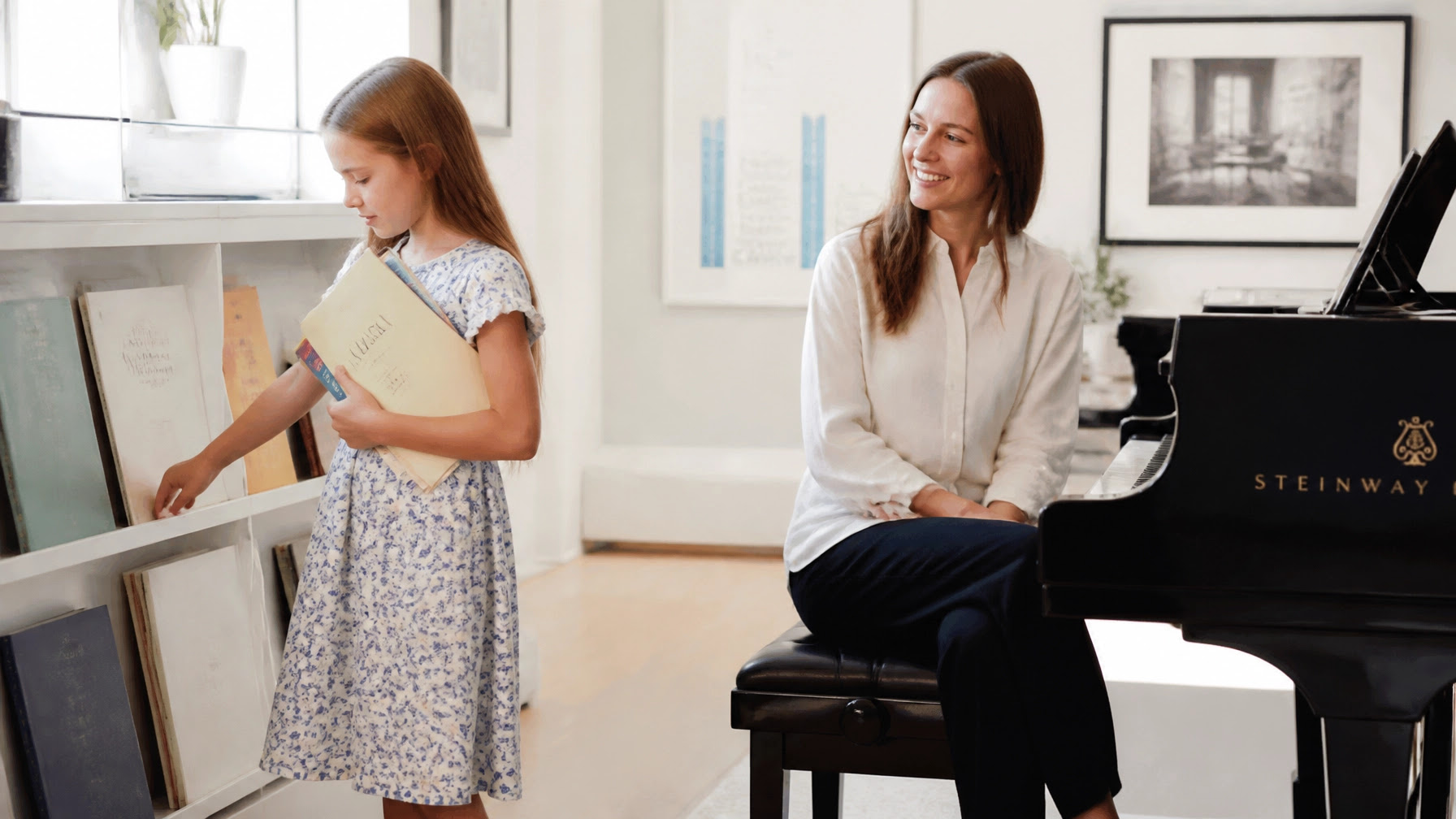
Are you focusing on mistakes instead of milestones?
Parents often feel they need to act as an assistant teacher. You hear a wrong note from the kitchen and instinctively yell, "That was an F-sharp!"
Stop. This is the fastest way to make a child hate the piano. Your job isn't to fix the mistakes; that’s our job during their weekly lesson. Your job is to be their biggest fan.
Secret 3: Gamify the Progress
Shift your focus from what they are doing wrong to what they are doing consistently. Use visual cues to track "wins" rather than correcting errors.
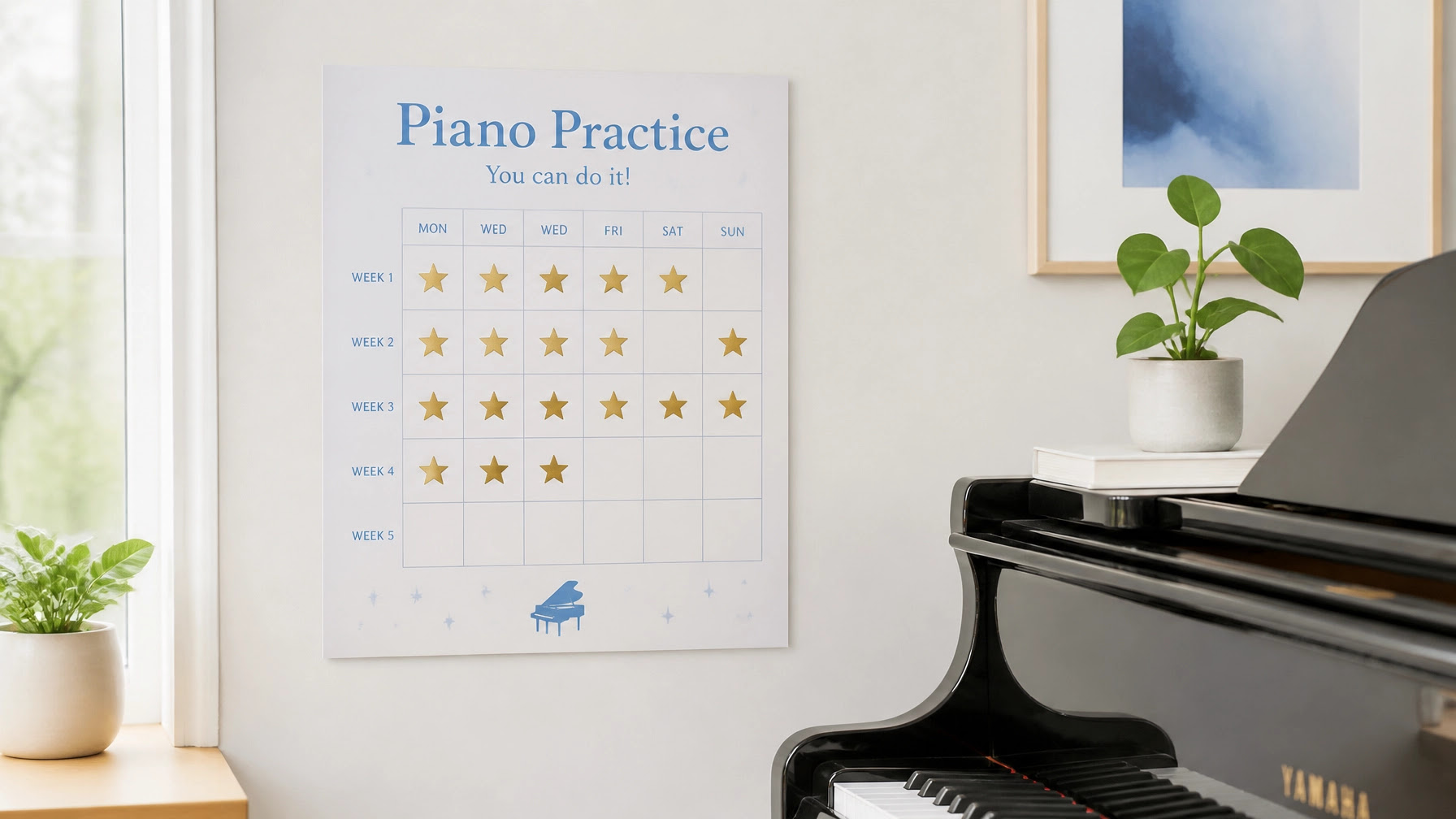
The Sticker Streak: A simple chart next to the piano can work wonders. After five days of practice in a row, maybe they get to pick the Friday night movie.
Dice Practice: If they are struggling with a specific measure, have them roll a die. Whatever number comes up is how many times they play that specific bar. It turns a repetitive drill into a game of chance.
Video Bragging Rights: Once a week, record them playing their best piece and send it to a grandparent. The positive feedback they get from others is far more powerful than any nagging you could do.
A Better Way to Learn Piano
At Natalia Huang Piano Studio, we understand that every child’s path is different. That’s why we tailor our approach based on your location and your family's needs.
If you are in Greenwich, CT or California, our physical studios offer a structured, professional environment where students can focus entirely on their craft:
Greenwich Studio
Yorba Linda Studio
Hacienda Heights Studio
Walnut Studio
For families in New York City, we bring the expertise to you. Learning piano in your own living room in NYC allows for a comfortable, familiar setting that integrates music seamlessly into your life. Check out our current rates to see which format works best for you.
Ready to end the practice wars?
You don't need to be a musician to help your child succeed at the piano. You just need to be their support system. By establishing a routine, giving them ownership, and celebrating their effort, you can stop nagging and start listening to the music.
If you’re looking for a teaching team that prioritizes a positive, modern approach to music education, we are here to help. Whether you want to visit one of our physical studios in Greenwich, Yorba Linda, Hacienda Heights, or Walnut, or schedule in-home lessons in NYC, we make it happen.
Contact us today to schedule your first lesson and see the difference a stress-free approach can make.