
Why My Child Stopped Progressing (And How to Fix the Plateau)

Every parent knows the feeling. One week, your child is excitedly showing off a new song. The next, they are sighing at the bench, playing the same three measures over and over with a look of pure defeat. It feels like they’ve hit a wall. In the world of music education, we call this a "plateau," and it is one of the most common reasons students consider quitting.
But here is the truth: a plateau isn't a sign that your child lacks talent or that lessons aren't working. It is a natural, necessary part of the learning process. If your child’s progress has stalled, it’s not time to give up: it’s time to change the strategy.
Is your child losing interest, or have they just hit a plateau?
It is easy to mistake a learning plateau for a loss of interest. You might see your child dragging their feet to the piano or complaining that they "hate" a certain piece. Before you assume they’ve lost their passion for music, take a step back.
A plateau occurs when the brain is busy consolidating new skills. Think of it like a construction site: there is a lot of work happening behind the scenes, even if the building doesn’t look taller from the street. In the beginning, progress is fast because everything is new. As pieces become more complex, the "jumps" in progress become smaller and more subtle.
If your child is still showing up but feels frustrated by their lack of "obvious" improvement, they haven't lost interest. They’ve reached a level that requires a different kind of focus. At Make it happen, we specialize in helping students recognize these moments as a "leveling up" phase rather than a dead end.

Why does progress seem to stop overnight?
Understanding why a plateau happens is the first step toward fixing it. Usually, it comes down to one of three things:
The "Start-to-Finish" Trap: Many students practice by playing a song from the first note to the last. If they make a mistake in measure 12, they go back to measure 1 and start over. This makes them very good at the beginning of the song, but they never actually master the difficult middle section.
Repertoire Fatigue: Sometimes, a student stays on one "big" piece for too long. If they’ve been working on the same song for three months, the joy is gone. They are no longer learning; they are just repeating.
The Complexity Jump: Piano isn't a linear path. Sometimes, a student moves from simple melodies to hands-together coordination or complex rhythms. This requires a massive shift in how the brain processes information, and it can feel like they’ve suddenly "forgotten" how to play.
We see this frequently in our studio locations in Greenwich, CT, and California and in-home lessons across NYC. When the material gets harder, the old way of practicing simply stops working.
How can you turn "I can't do this" into a breakthrough?
As a parent, you have more power than you think to help your child bridge this gap. You don't need to be a musician to be an effective coach. Follow these steps to help them break through the wall:
Normalize the struggle
Tell your child explicitly: "This feeling is normal. Every great pianist has felt exactly like this." When you remove the shame of "not getting it," you lower their stress levels. High stress kills creativity and learning. Use this as a moment to teach resilience.
Shift to "Micro-Wins"
Instead of aiming to "finish the song," set a goal to "master these two measures." Give them a high-five when they play a difficult rhythm correctly, even if the rest of the song still needs work. These small victories release dopamine and keep them coming back to the bench.
Use performance milestones
One way we break through plateaus is through our frequent recital schedule: once a semester, plus our Gala. We believe performing is a skill that needs regular practice to build confidence. These milestones keep students motivated, give them a clear goal to work toward, and help them keep moving forward when progress feels slow.
Shake up the routine
If practice has become a chore, change the scenery. If you are in NYC or Greenwich, try moving the practice time or adding a fun "challenge" piece that isn't in their lesson book. In our physical studio locations in Yorba Linda, Hacienda Heights, and Walnut, we often use different instruments or games to reset a student's focus when they feel stuck.

Does where they learn change how they grow?
The environment in which a child learns plays a massive role in how they handle challenges. Different settings offer different tools for breaking through a plateau.
In-Home Lessons (NYC):
Learning in your own living room in NYC offers a level of comfort and personalization that is hard to beat. The teacher sees exactly how the child practices and can adjust the environment on the spot. This is ideal for students who need a high level of emotional support and one-on-one attention to overcome perfectionism. Learn more about our in-home approach.
Studio Locations (Greenwich and California):
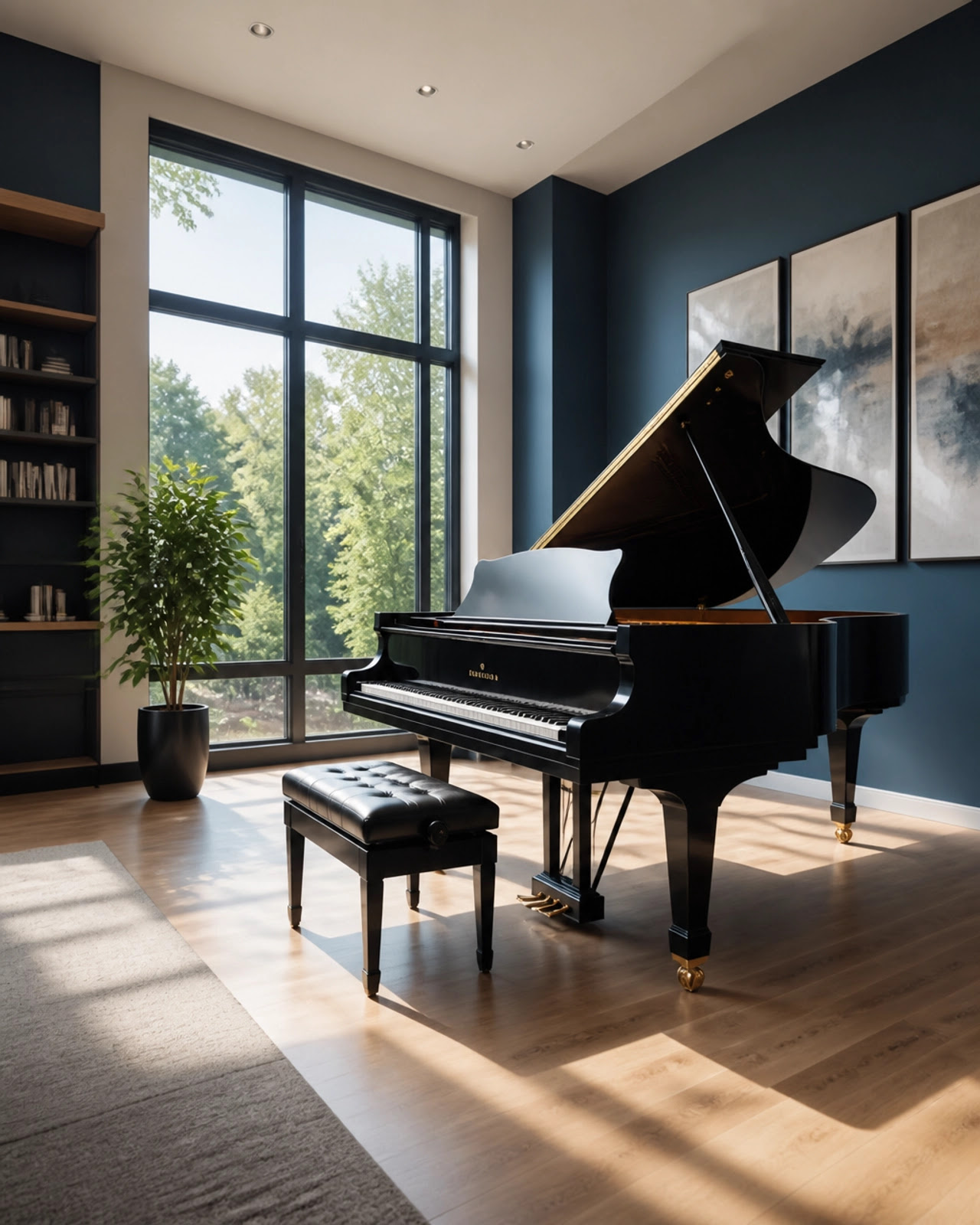
Our physical studios in Greenwich, Yorba Linda, Hacienda Heights, and Walnut are designed for "Deep Work." When a child walks into a dedicated music space, their brain switches into "focus mode." The presence of other students nearby also provides a "positive peer pressure" that can motivate them to push through a difficult week.
If your child is struggling at home, a shift to a professional studio environment can often provide the mental "reset" they need to see their progress in a new light.
What should your next practice session look like?
Stop asking "Did you practice?" and start asking "What part are we conquering today?" Use these direct instructions to guide your child through their next session:
Set a timer for 10 minutes. Tell them they only have to work on the hardest three measures of their piece.
Use the "Three Times Correct" rule. They haven't mastered a section until they can play it perfectly three times in a row.
Record them. Sometimes, children don't realize they are progressing until they hear a recording from two weeks ago. Use your phone to track their growth.
Contact your instructor. Don't wait for the next lesson to mention the struggle. Send us a message or talk to your teacher so we can adjust the repertoire immediately.
Ready to turn the plateau into a peak?
A plateau is just a sign that a breakthrough is coming. It means your child has outgrown their old habits and is ready for a more sophisticated level of playing. At Natalia Huang Piano Studio, we are experts at navigating these transitions. Whether we are visiting you for in-home lessons in NYC or welcoming you into our studio locations in Greenwich and California, our goal is to keep the music moving forward.
Contact us today to discuss how we can tailor your child's lessons to their specific needs and help them find the joy in the journey again.

Schedule Your Success
Don’t let a temporary stall become a permanent stop. Whether you are looking for the focused environment of our Greenwich, Yorba Linda, Hacienda Heights, or Walnut studios, or the personalized touch of in-home lessons in NYC, we are here to help.
Join Natalia Huang Piano Studio today and let's get your child back on the path to progress.
